NEXT CLASS: AUGUST 28-30 • LIMITED SPOTS

Blog

Can You Epoxy Over Wood
Blog

Can You Epoxy Over Wood?

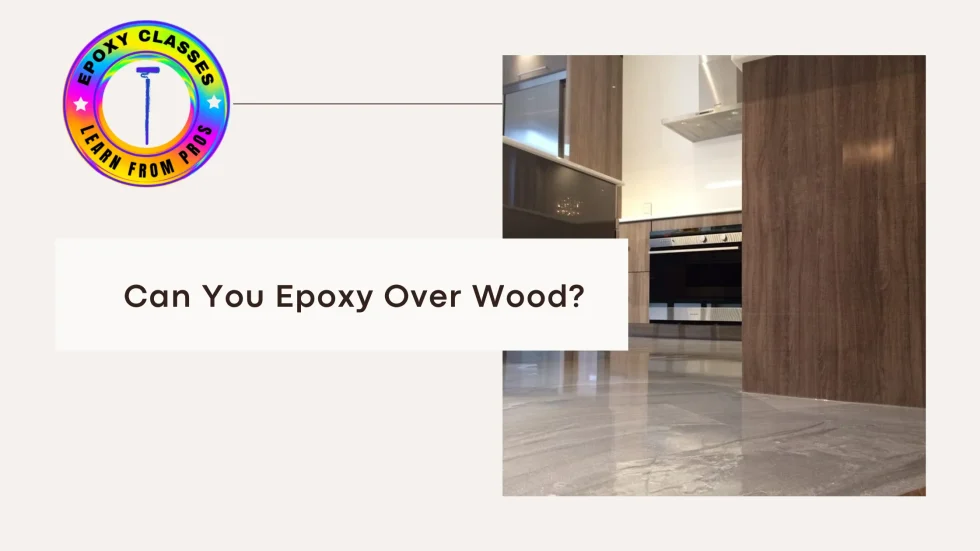
Epoxy resin has gained massive popularity for its durability, aesthetics, and versatility in flooring projects. But can you epoxy over wood? Absolutely. Epoxy is a fantastic choice for wood flooring, from hardwood to plywood subfloors. This article explores the benefits of epoxy coating for wood floors, how to apply it, and expert tips to achieve professional results. At Epoxy Classes NY, we specialize in teaching you everything about epoxy application on wood and other surfaces. Through our 3-day epoxy classes that conveniently take place over the weekend, you’ll get hands-on experience with epoxy, earning certification as an epoxy installer. Call us at 631-305-1035 or email newyorkepoxy@gmail.com for details and schedule. Why Epoxy Over Wood? Applying epoxy over wood floors offers unique advantages. Here’s why epoxy coatings can be beneficial for wood: Popular Uses for Epoxy Coating on Wood Floors Epoxy has wide-ranging applications across wood surfaces. Here are a few common uses: How to Apply Epoxy Resin on Wood Floors: A Step-by-Step Guide Applying epoxy coating on wood floors involves several steps including surface preparation, mixing the epoxy, and curing. Follow these steps to ensure a successful application: Surface prep is crucial for epoxy wood flooring to adhere properly: Mixing epoxy resin correctly is key to a flawless finish: Apply the epoxy resin on hardwood floors or plywood with the following tips: Once cured, finish your epoxy flooring: Tips for Epoxy Flooring for Wood Applying epoxy on wood floors can have some unique considerations. Here are expert tips for a professional result: FAQs: Epoxy Over Wood Floors Yes, epoxy can be applied over wood subfloors, including plywood and OSB. This method provides a moisture barrier and strengthens the subfloor, especially useful in basements or areas prone to moisture. Be sure to follow professional advice when considering messing with epoxy and wood. There are products on the market that are specific for wood application. Epoxy is incredibly durable when applied to wood floors, protecting against scratches, moisture, and everyday wear. It is often used in high-traffic areas due to its resilience. Epoxy-coated wood floors are easy to maintain. Regular sweeping and occasional mopping with a gentle cleaner will keep them looking great. Avoid harsh chemicals to preserve the epoxy’s finish. For plywood floors, flexible epoxy is ideal. Wood can expand or contract slightly, especially with temperature changes, and flexible epoxy accommodates this movement without cracking. Begin with a clean, sanded surface, apply a primer or seal coat, mix epoxy thoroughly, and apply in even coats. Curing time and temperature control are essential for optimal results. Applying epoxy over wood is a great way to protect and enhance wooden surfaces, creating a professional finish that lasts. Whether you’re working with hardwood, plywood, or any wood subfloor, epoxy’s versatility and durability make it an excellent choice. To gain hands-on experience and expertise, Epoxy Classes NY offers weekend classes where you can learn epoxy application techniques and become a certified epoxy installer. Call 631-305-1035 or email newyorkepoxy@gmail.com to register today!
What Are Some Effective Polishers for Epoxy Resin
Blog

What Are Some Effective Polishers for Epoxy Resin?

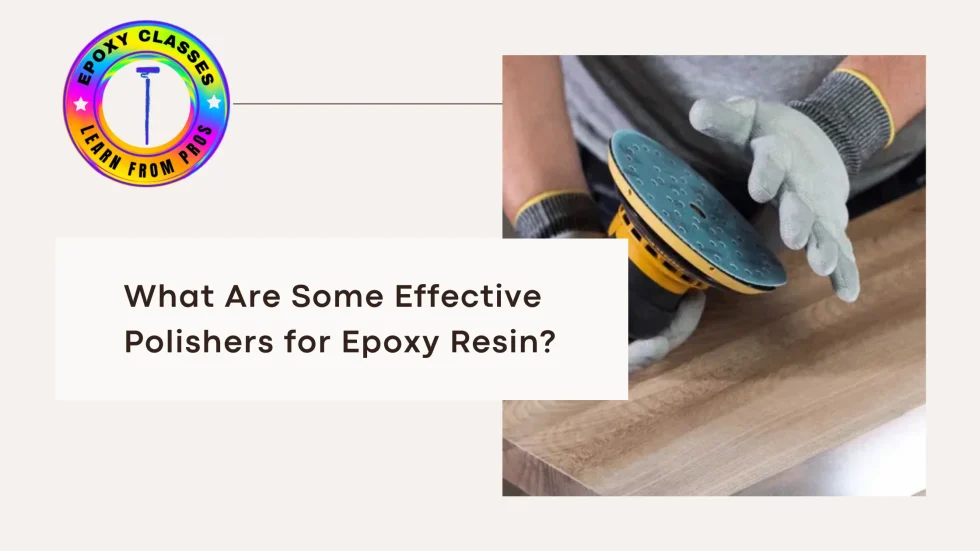
Polishing epoxy resin can make a significant difference in the final look of your project, transforming it into a smooth, glossy surface. Whether you’re working with small pieces like jewelry or large surfaces such as countertops, using the right tools and methods is essential. This article will guide you through the best polishers for epoxy resin and offer advice on sanding resin edges, buffing UV resin, and maintaining a brilliant shine. Essential Tools for Achieving a Glossy Epoxy Finish How to Polish Resin Edges and UV Resin for a Smooth Finish To polish resin edges or UV resin, start by smoothing out rough areas using low-grit sandpaper, then gradually move to higher grits. Once smooth, apply a polishing compound and carefully buff to bring out the shine. UV resin can be polished in much the same way to maintain a smooth, professional finish. Detailed Steps: Polishing Epoxy Resin After Sanding Frequently Asked Questions Is it possible to polish epoxy by hand? Yes, hand-polishing epoxy resin can be very effective when done with care. Start by sanding, apply a fine polish, and use a soft cloth to bring out a shiny, smooth surface. What is the best way to add gloss after sanding? After sanding, apply a high-quality polishing compound. Buffing this compound will restore a shiny, clear appearance to your project. What tools are needed for polishing epoxy floors? To polish epoxy floors, a floor buffer or polisher, durable buffing pads, and a quality finish can bring out the desired shine and maintain durability. Learn with EpoxyClasses: Master Epoxy Finishing Techniques At EpoxyClassesNYS.com, we provide expert-led epoxy training to help you bring your projects to life. Whether you’re polishing epoxy on floors or crafting unique resin pieces, our classes offer hands-on guidance. Discover how to sand and polish epoxy resin effectively and gain the skills needed to achieve a flawless finish on every project.

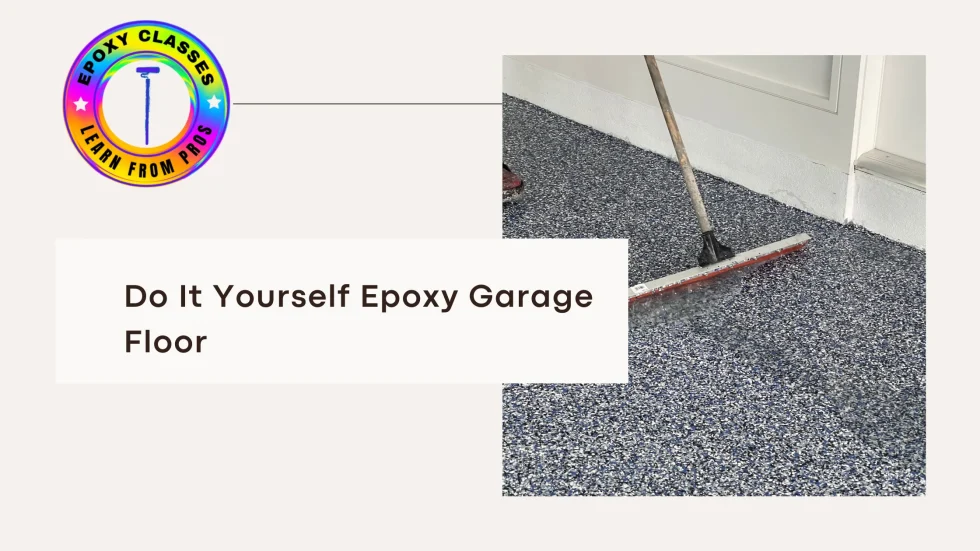
Do It Yourself Epoxy Garage Floor
Blog

Do It Yourself Epoxy Garage Floor?

Do you want painted garage floors? Try a do it yourself epoxy garage floor. Our guide walks you through every step, ensuring a professional finish. It fixes stained, cracked concrete and turns it into a beautiful, useful space. So, enhance your garage look and functionality easily. Learn expert epoxy garage floor paint techniques at Epoxy Classes in Upstate New York. Transform your garage floor with our preparation, application, sanding, and polishing classes, and get a smooth, durable finish. Register now to start your journey with us. What Is Epoxy Garage Floor Coatings? Epoxy garage floor coatings combine resin and hardener. This mix creates a strong, attractive, and functional surface. It resists impacts, chemicals, and wear. Thus, it is perfect for busy areas like garages. Benefits of Epoxy Garage Floors Do it Yourself Epoxy Garage Floor How to prep garage floor for paint?Proper prep is crucial for success. It must be done before applying the garage epoxy floor coating. Here’s how to prep garage floor for paint: 1. Clear the Space Clear the garage of everything. Take out vehicles, tools, and goods. This space is safer and allows for easier work. 2. Clean the Floor Clean the concrete floor thoroughly. First, remove dirt, grease, and old coatings. For stubborn oil stains, use a degreaser. For tough grime, a pressure washer is best. Turn that dirty slab into a clean, ready surface. 3.Repair Cracks and Imperfections First, inspect the floor for cracks and holes. Then, use a concrete patching compound to fill them. Smooth the surface evenly. This preparation is vital. Flaws can weaken epoxy’s bond. A perfect surface ensures the best adhesion. So, don’t skip this step. It affects your floor’s durability. 4. Etch the Concrete Roughen concrete for better epoxy grip. Use an etching solution or diamond grinder. This creates tiny grooves that boost adhesion. A textured base ensures a strong bond between concrete and epoxy. 5 . Dry the Floor A dry floor is essential. Any dampness can weaken epoxy adhesion. This leads to peeling and bubbling. Only proceed when you’re sure the floor is completely dry. How to Apply Epoxy Garage Floor Coating Start by mixing parts A and B for 3 minutes. Then, pour the mix onto the floor. Use a squeegee to spread it, then back-roll for smoothness. Work in small areas to keep a wet edge. Wait for it to cure before walking on it. After 24 hours, add a second coat for durability. If you want, you can add anti-slip additives. Step 1: Choose Your Epoxy Select a quality garage floor epoxy that suits your needs. Diy garage floor coating kits usually include everything: instructions, resin, hardener, and decorative chips. Step 2: Mix the Epoxy Mix epoxy resin and hardener as directed. Ensure thorough blending for the best results. Use a stick or a drill-mounted paddle for uniformity. Always follow the manufacturer’s guidelines. Step 3: How to Apply Epoxy Step 4: Add Decorative Chips Want a speckled look? Just sprinkle decorative chips on wet epoxy. Gently toss them, then press lightly to secure them. This simple step adds flair to your project. Step 5: Allow to Cure Epoxy takes time to cure. So, follow the manufacturer’s schedule. You can walk on it after a day. However, wait several days for vehicles. This patience ensures a strong finish. Step 6: Optional Clear Coat Make your project last longer with a clear coat. Apply it over cured epoxy to add shine, prevent stains, and increase durability. Maintenance Tips for Your Epoxy Garage Floor Coatings To keep your epoxy garage floor paint looking great, regular maintenance is key: Wrapping Up: Do It Yourself Epoxy Garage Floor Upgrade your garage with an epoxy floor. It’s tough, enhancing both beauty and function. Pick from solid colors or modern patterns. Our guide makes it easy to apply yourself. Boost your space with a durable, stylish finish.Turn your garage into an asset with an epoxy floor. This DIY project is worth the effort for its durability. Simply prepare, coat, and maintain it. A well-kept epoxy floor boosts your home’s value for years. So, take on the challenge—satisfaction awaits. FAQs About Epoxy Garage Floors How long does it take to epoxy a garage floor? The total time can vary with your garage’s size. However, the actual application usually takes a few hours. Curing time can take anywhere from 24 to 72 hours. Can I paint my garage floor? Yes, but it’s best to use an epoxy garage floor paint made for concrete. It will ensure better adhesion and durability. What to put on garage floor? Epoxy garage floor paint is a top choice. It lasts long and is easy to maintain. Can you use garage floor coating on wood? Generally, epoxy is intended for concrete surfaces. Using it on wood may not yield the best results unless specified by the manufacturer. How do you seal a garage floor? After the epoxy has fully cured, you can apply a sealant to enhance the floor’s protection and shine.

How Long Does It Take for Epoxy to Harden
Blog

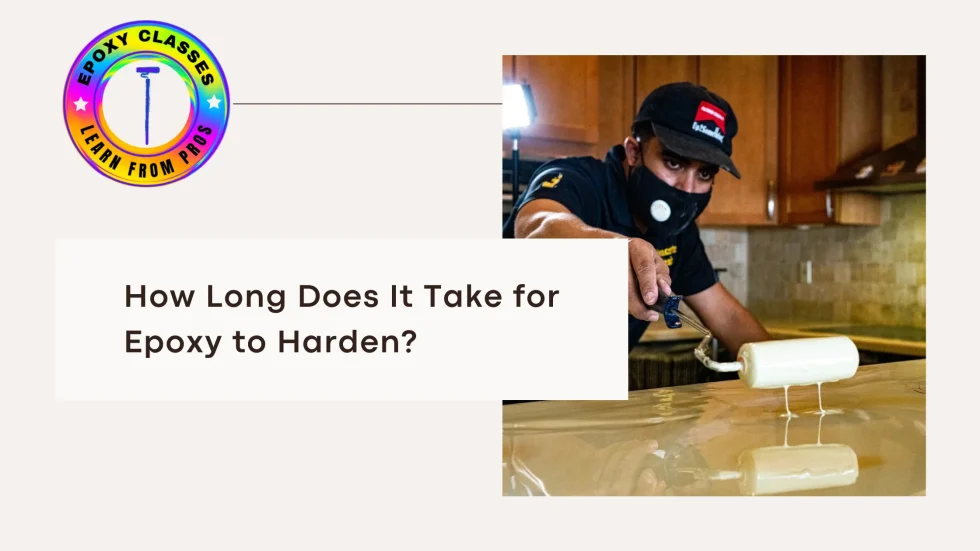
How Long Does It Take for Epoxy to Harden?

When working with epoxy, understanding how long it takes to cure and harden is crucial for planning any project. How long does it take for epoxy to harden? The drying and curing time for epoxy can vary based on factors like temperature, humidity, and the type of epoxy used. In this post, we’ll explore the average hardening times for epoxy and resin, along with tips for ensuring a proper cure. At Epoxy Classes NY, we teach the science behind epoxy application and curing. Our 3-day hands-on weekend classes will certify you as an epoxy installer, providing you with essential knowledge for successful applications. Reach out to us at 631-305-1035 or email newyorkepoxy@gmail.com for course details and scheduling. How Long Does It Take for Epoxy to Harden? Epoxy resin’s drying and curing time varies but typically follows these general guidelines: Factors That Affect Epoxy Resin Drying Time Several factors can impact epoxy resin drying time, including: Epoxy cures faster in warm environments. Ideal curing conditions are between 70°F and 85°F. In colder temperatures, curing can slow down significantly, sometimes doubling the time required for the resin to fully harden. High humidity can also delay the cure time of epoxy. Ideally, epoxy should be applied when humidity levels are below 60% for optimal results. High moisture in the air can cause cloudiness in the cured epoxy and affect its strength. Different epoxies are formulated for various drying times: Epoxy Cure Times for Different Applications Knowing the epoxy cure time for specific uses is important: Garage Floor Epoxy Epoxy Table or Countertop Epoxy Paint for Walls or Floors If you’re working on a project where cure time is critical, using a heat lamp or working in a warm, dry room can speed up the resin hardening time. FAQs: How Long Does It Take for Epoxy to Harden? Resin typically takes 72 hours for a complete cure, but it depends on the product type, temperature, and humidity. High-performance resins may take longer for full curing and durability. Temperature, humidity, and resin formulation impact epoxy resin drying time. Warmer, dry environments speed up the process, while cold or humid conditions slow it down. For fresh spills, wipe away resin with acetone or isopropyl alcohol. For hardened epoxy, use heat or a paint stripper and carefully scrape it away. Yes, applying mild heat (using a heat lamp or hair dryer) can speed up curing, but too much heat can cause bubbles or warping. Keep temperatures steady between 70°F and 85°F for best results. Epoxy paint generally takes 4–8 hours to dry to the touch and up to 24 hours to fully harden. The final cure may take 5–7 days, depending on the thickness and environmental conditions. Tips for Optimal Epoxy Cure Times Achieving the best cure for your epoxy project requires careful attention to environmental conditions and application technique: For those interested in a deeper understanding of epoxy and resin techniques, Epoxy Classes NY offers in-depth training, covering everything from epoxy application to curing techniques. Get certified as an epoxy installer and gain hands-on knowledge in just three days! Call us at 631-305-1035 or email newyorkepoxy@gmail.com to sign up.

Will Epoxy Resin Stick to Plastic
Blog

Will Epoxy Resin Stick to Plastic?

When working with epoxy resin, one of the most common questions is: Will epoxy resin stick to plastic? The answer depends on the type of plastic and the preparation process. Epoxy resin is a versatile adhesive known for its strong bond to many surfaces, but not all plastics provide the ideal conditions for adhesion. In this guide, we’ll explore how epoxy interacts with different materials, including silicone, glass, and rubber, and how to achieve the best results with plastic epoxy. At Epoxy Classes NY, we teach you everything about epoxy application, from choosing the right product to mastering techniques for different surfaces. Join our 3-day weekend classes to become a certified epoxy installer. Call us at 631-305-1035 or email newyorkepoxy@gmail.com to get started. Will Epoxy Stick to Plastic? Epoxy resin can bond with some types of plastic but not all. Certain plastics, like polyethylene (PE) and polypropylene (PP), have non-stick properties, making it difficult for epoxy to adhere without proper preparation. Here’s a closer look: Types of Plastics and Epoxy Compatibility For the best bond, choose a best epoxy for plastic product designed for your specific material. Proper surface preparation can also enhance adhesion. How to Use Epoxy Glue on Plastic To achieve a strong bond between epoxy resin and plastic, follow these steps: 1. Clean the Surface 2. Roughen the Plastic 3. Apply Primer (Optional) 4. Mix and Apply the Epoxy Will Epoxy Stick to Silicone, Glass, and Rubber? Epoxy resin interacts differently with other surfaces like silicone, glass, and rubber. Here’s what you need to know: Will Epoxy Stick to Silicone? No, epoxy typically does not adhere to silicone. Silicone’s non-stick properties make it ideal as a mold material for resin projects. Will Epoxy Stick to Glass? Yes, epoxy can bond to glass surfaces. For the best results, clean the glass thoroughly and consider sanding or using a glass-specific primer. Does Epoxy Stick to Rubber? Epoxy may bond to some rubbers, but the strength of the bond depends on the type of rubber and surface preparation. Silicone rubber, for example, resists adhesion. Best Plastic Epoxy Products Selecting the right epoxy is crucial for working with plastic. Here are some options: Tips for Successful Epoxy Application on Plastic FAQs: Will Epoxy Resin Stick to Plastic? 1. Can epoxy resin bond to all plastics? No, epoxy does not adhere well to plastics like polyethylene and polypropylene without special preparation or primers. 2. Will epoxy stick to glass? Yes, epoxy adheres to glass, especially when the surface is cleaned and sanded beforehand. 3. Does epoxy glue on plastic last long? Properly applied epoxy can create a durable bond on compatible plastics, lasting for years. 4. What is the best plastic epoxy? Two-part plastic epoxies are ideal for strong, long-lasting bonds. 5. Will epoxy stick to silicone molds? No, silicone molds are non-stick, making them perfect for shaping resin projects. Using epoxy on plastic surfaces can be challenging, but with the right preparation and product, it’s achievable. Understanding how epoxy interacts with different materials ensures a successful project, whether you’re working with plastic, glass, or rubber. To master epoxy application techniques, enroll in Epoxy Classes NY. Gain hands-on experience and certification in just three days. Call us at 631-305-1035 or email newyorkepoxy@gmail.com to reserve your spot today!

Is Epoxy Waterproof
Blog

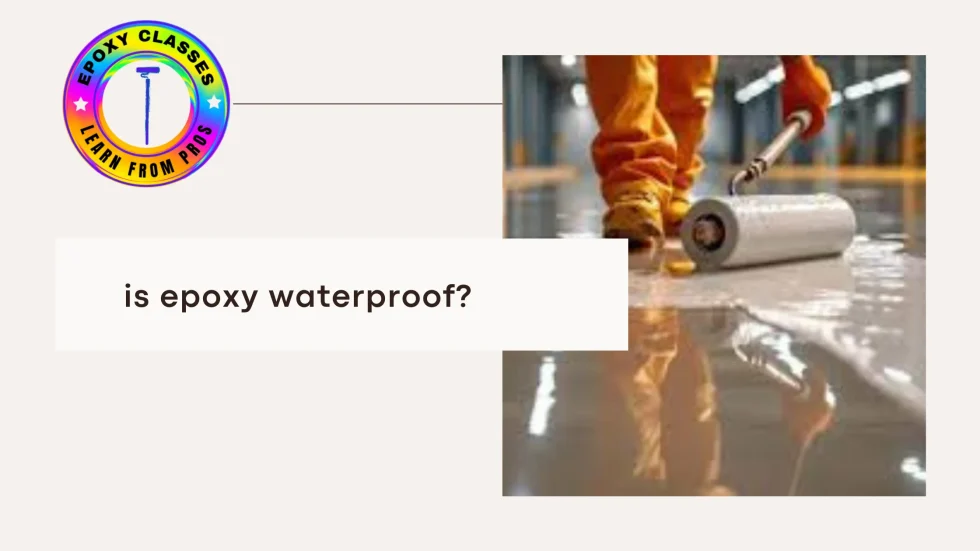
Is Epoxy Waterproof?

Epoxy is a versatile material often used in construction and DIY projects, but is it waterproof? The short answer is yes, epoxy is indeed waterproof. Epoxy resins create a durable, water-resistant surface that makes them ideal for a variety of applications, including waterproofing garage floors and protecting underwater structures. At Epoxy Classes NY, we specialize in helping you achieve a long-lasting, waterproof finish for all your flooring and coating needs. What Makes Epoxy Waterproof? Epoxy’s waterproof qualities come from its ability to form a solid, impermeable layer once cured. This makes it perfect for applications that require resistance to water, such as waterproofing garage floors, sealing plywood, or even painting underwater structures. The material’s two-part chemical composition allows it to bond tightly to surfaces, providing an excellent barrier against water intrusion. Epoxy Waterproofing for Garage Floors If you’re looking for a durable and waterproof solution for your garage floor, epoxy is the way to go. Its resistance to moisture and chemicals makes it ideal for areas exposed to water and spills. Epoxy waterproofing paint not only protects your concrete but also enhances its appearance. At Epoxy Classes NY, we offer specialized waterproofing services tailored to your specific requirements, ensuring your garage floor stays protected. Different Types of Waterproof Epoxy Epoxy for Underwater and Outdoor Use Epoxy isn’t just waterproof; it can also be used in outdoor and underwater applications. Two-part underwater structural epoxy is specially formulated to cure even when exposed to moisture, making it a go-to choice for underwater repairs. For outdoor projects, weatherproof epoxy resin provides long-lasting protection against the elements. Using Epoxy Waterproofing Paint Epoxy waterproofing paint is a popular choice for both residential and industrial applications. It can be used on floors, walls, and even ceilings to provide a waterproof, easy-to-clean surface. Additionally, this paint can be tinted to match your desired color scheme, making it both functional and aesthetically pleasing. Epoxy Classes NY Services At Epoxy Classes NY, we offer professional waterproofing solutions that cater to various needs. Our services include: For more details on our services or to book a consultation, Contact Us today! Conclusion When it comes to waterproofing, epoxy is a reliable choice for various surfaces and conditions. Whether you’re looking to waterproof a garage floor, seal exterior wood, or coat underwater structures, epoxy offers the durability and versatility needed to get the job done. At Epoxy Classes NY, we’re committed to delivering top-quality epoxy services that meet your needs. For more information on waterproof epoxy solutions, visit Epoxy Classes NY or Contact Us to discuss your project requirements. FAQs Is epoxy glue waterproof?Yes, epoxy glue is waterproof, making it suitable for bonding materials exposed to moisture.  Can epoxy get wet while curing?It’s generally advised to avoid water contact during the curing process as it can compromise the bond.  Is resin weatherproof?Yes, certain types of resin, like weatherproof resin, are formulated to resist UV rays and adverse weather conditions. Can epoxy be used outdoors?Absolutely, epoxy is durable enough for outdoor applications, provided the right type is used. Is epoxy bad for the environment?While epoxy itself is not biodegradable, environmentally-friendly options are available that have a reduced environmental impact.

Which Primer Over Epoxy Repair
Blog

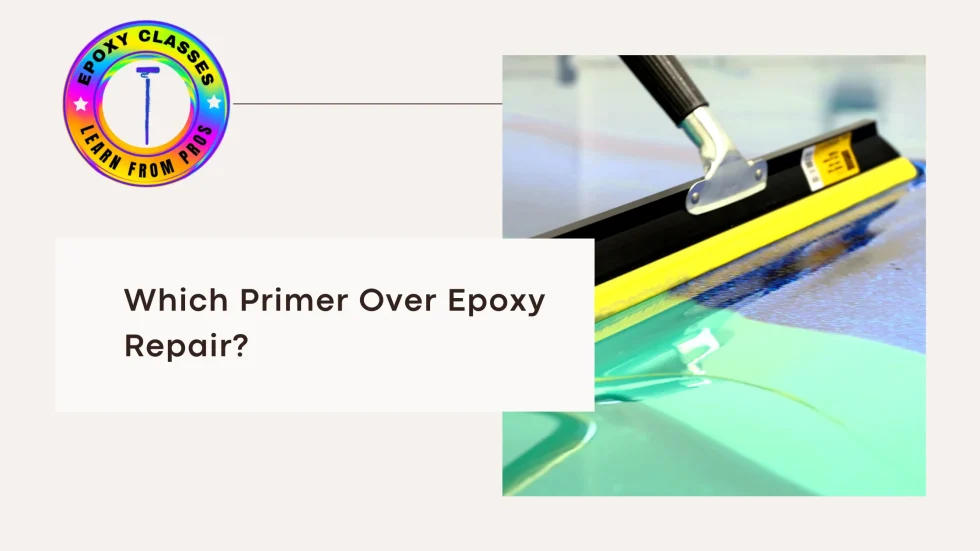
Which Primer Over Epoxy Repair?

When working on epoxy repair, selecting the right primer is essential to ensure long-lasting results. Knowing which primer over epoxy repair works best will make a big difference in your project, whether you’re a DIY enthusiast or a professional looking to sharpen your skills through training. At EpoxyClasses, we teach the importance of choosing the right products for every step of your epoxy projects. Our hands-on epoxy classes cover everything from surface prep to priming and finishing. Here’s how to select the right primer for your epoxy repairs. Why Apply a Primer Over Epoxy Repair? Using a primer over epoxy repair helps in sealing the surface, filling minor imperfections, and ensuring that the topcoat adheres properly. It prevents peeling and cracking while enhancing the overall durability and appearance of your finish. For epoxy surfaces, epoxy-based primers and high-build primers are typically the best choices. Popular brands like Rust-Oleum EpoxyShield and Zinsser Bulls Eye 1-2-3 offer high performance and strong adhesion, especially over epoxy repairs. Best Primers for Epoxy Repair Step-by-Step Guide for Applying Primer Over Epoxy Repair At EpoxyClasses, we focus on teaching our students all the best practices, from surface prep to applying primer over epoxy repair. Our classes are designed for everyone, whether you’re a beginner or a professional looking to upgrade your skill set. FAQs 1. Can I skip priming over epoxy repair?While it may be tempting, skipping the primer can lead to poor adhesion and a shorter lifespan of your topcoat. Priming ensures a smooth and durable finish. 2. What’s the best primer to use on an epoxy repair?Epoxy-based primers work best for bonding with epoxy repairs, while high-build primers are perfect for filling imperfections on the surface. 3. How long should I wait after priming before painting?It depends on the product, but most primers require at least 24 hours to dry fully. Always follow the manufacturer’s drying instructions for the best results. At EpoxyClasses, we offer detailed training on surface preparation, priming, and finishing techniques. Our epoxy classes ensure that you’re equipped with the knowledge and hands-on experience needed to complete your projects successfully. Whether you’re tackling a home DIY or looking to expand your services professionally, our courses will guide you through every step. Conclusion Choosing which primer over epoxy repair is crucial for a successful project. Epoxy-based primers and high-build primers offer the best solutions for most applications. At EpoxyClasses, we provide top-tier training to help you master every aspect of epoxy work, from repairs to final finishes. Join our epoxy classes and take your skills to the next level!

What Grit to Sand Seal Coat
Blog

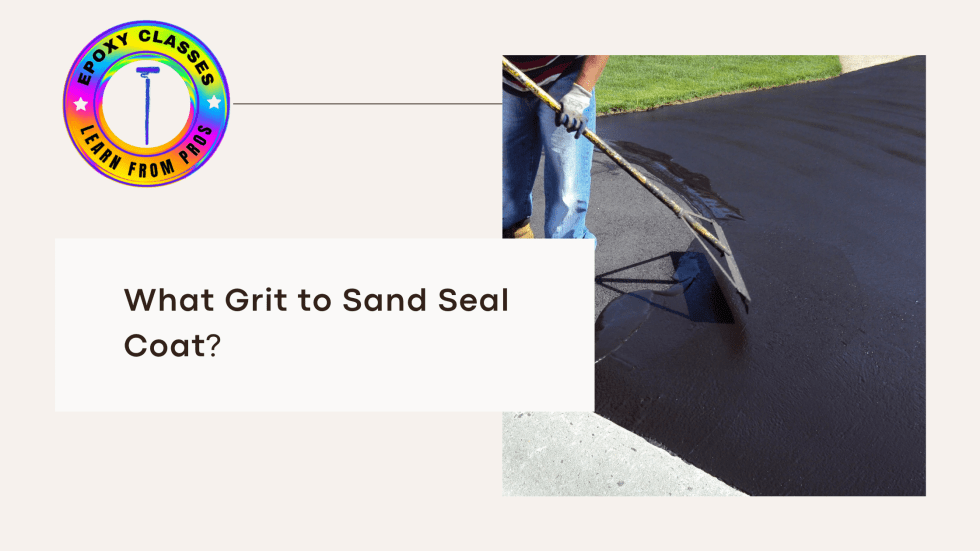
What Grit to Sand Seal Coat?

When it comes to achieving a flawless finish on your epoxy floors, one of the most critical steps is understanding what grit to sand seal coat. In this blog article, we’ll dive deep into the best practices for sanding seal coats, ensuring your epoxy project looks professional and stands the test of time. Understanding Seal Coats Seal coats are essential for protecting your epoxy floors and providing an even more smooth surface. They help to seal the epoxy, preventing extra moisture and dirt from penetrating and or staining. However, to ensure proper adhesion of the subsequent layers, sanding before the seal coat is crucial. What Grit to Sand Seal Coat? So, what grit to sand seal coat? For most epoxy seal coats, a grit of 60 to 80 is recommended. Here’s a quick breakdown: Using the right grit not only enhances the look of your floor but also contributes to its overall longevity and beauty. Why Sanding is Important Sanding the seal coat helps to create a mechanical bond between layers. Without proper sanding, you risk delamination, which can lead to costly repairs. Additionally, sanding removes any dust or debris that might have settled on the surface, ensuring a clean, smooth application of the next coat. Tips for Sanding Seal Coat Epoxy Classes in Upstate New York At Epoxy Classes in Upstate New York, we specialize in teaching and certifying individuals in the art of epoxy flooring. Our hands-on courses cover everything from preparation and application to advanced techniques, including sanding seal coats, topcoats, and repairs. By joining our classes, you’ll gain the skills and knowledge to excel in the epoxy industry, whether you’re a DIY enthusiast or looking to start a professional career. Conclusion: What Grit to Sand Seal Coat? In summary, knowing what grit to sand seal coat is essential for achieving a beautiful and durable epoxy floor. Using the appropriate grit, like 60 for initial sanding and 80 for final touches, ensures that your floors not only look great but also last longer. For those interested in diving deeper into epoxy flooring, consider enrolling in our courses at Epoxy Classes in Upstate New York. We’ll equip you with the expertise you need to become a professional in this exciting industry. Whether you’re tackling your own project or starting a business, we’ve got you covered! If you have any questions about what grit to sand seal coat or want to learn more about our classes, feel free to reach out. Let’s elevate your epoxy skills together!

Can You Paint Over Epoxy Resin
Blog

Can You Paint Over Epoxy Resin?

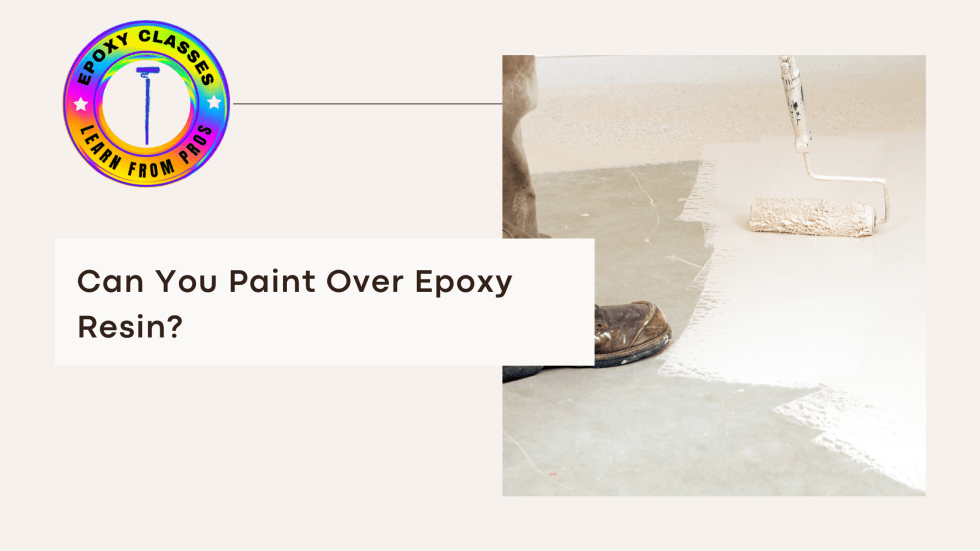
Can you paint over epoxy resin when repainting epoxy floors? is a question that many people have. The type of epoxy used, the state of the surface, and the desired result are some of the variables that affect the response, thus the answer isn’t always clear-cut. To help you make an informed choice for your flooring job, we’ll go into the nuances of painting over epoxy resin in this post. A Comprehensive Overview of Epoxy Resin Because of its smooth appearance, longevity, and resistance to stains, chemicals, and moisture, epoxy resin is a versatile substance that is frequently used in flooring. Despite the extreme durability of epoxy surfaces, they frequently benefit from a new layer of epoxy or paint for safety or aesthetic reasons. Is Epoxy Paintable Over Paint? In theory, epoxy paint can be painted over; latex-based paint is the most suitable, but there are a few important procedures you must take to guarantee a good application. Instead of painting it yourself, the majority of coatings installers advise you to buy the right epoxy resin and do a recoat. This is because paint is not nearly as durable as epoxy resin. The first thing is to adequately prep the surface. If you follow the proper procedure and the epoxy is undamaged and intact, you should get great results. How to Paint a Surface Over Epoxy Resin Clean the Surface: To begin, make sure any debris, grease, and other impurities are gone from the epoxy’s surface. Sanding: One may question if epoxy may be applied over epoxy without first being sanded. Generally speaking, the response is no. Sanding the surface lightly will leave a texture that will improve the adhesion of the fresh paint. For this phase, sand with fine-grit paper. Painting over Epoxy Primer: How soon can it be done? It usually dries out in a few hours, but make sure you always follow the manufacturer’s directions. Most distributor websites have TDS (tech data sheets) available. Painting: Select a superior paint meant for epoxy surfaces. Regarding application and drying times, adhere to the manufacturer’s instructions. Using real EPOXY is advised; to choose the right sort of re-coat, ascertain what material the prior coating or paint was comprised of. Common Queries Concerning Paint and Epoxy Can epoxy be applied over paint? Sure, but make sure the paint is well-maintained and given a mild sanding beforehand. It is advisable to remove all paint that is flaking or peeling before applying epoxy. Is sanding necessary when applying epoxy on top of epoxy? It is advised to lightly sand the surface, as was previously stated. Sanding is not necessary if the recoat window is within 24 hours. Ignoring this step may cause the new coating to fail too soon and with poor adherence. Advantages of Expert Epoxy Instruction We specialize in instructing and certifying people in the craft of epoxy flooring at Epoxy Classes in Upstate New York. Our courses provide you the skills you need to master painting over epoxy resin and guarantee excellent results in every project, whether you’re a do-it-yourself enthusiast or an aspiring professional. Why Do You Select Our Courses? Expert Instruction: Gain knowledge from seasoned educators with years of expertise working in the epoxy sector. Practical Training: Learn how to do a variety of tasks, including as correctly preparing surfaces and applying finishes. Accreditation: Obtain formal accreditation to validate your proficiency in epoxy flooring. In conclusion Can paint be applied on top of epoxy resin? Without a doubt! You may easily convert your epoxy surfaces if you follow the proper preparation and procedure steps. Recall that obtaining a long-lasting and exquisite finish depends entirely on spending the necessary time to clean, sand, and prime. Think about coming to our epoxy classes in Upstate New York if you want to improve your abilities in the epoxy sector. You’ll have no trouble turning into a professional in the field with our training! Are you prepared to explore epoxy flooring in more detail? Enroll in our classes now to learn how to paint epoxy floors and other things expertly!

Why Contractors and Clients Love Their Commercial Epoxy Flooring
Blog

Why Contractors and Clients Love Their Commercial Epoxy Flooring

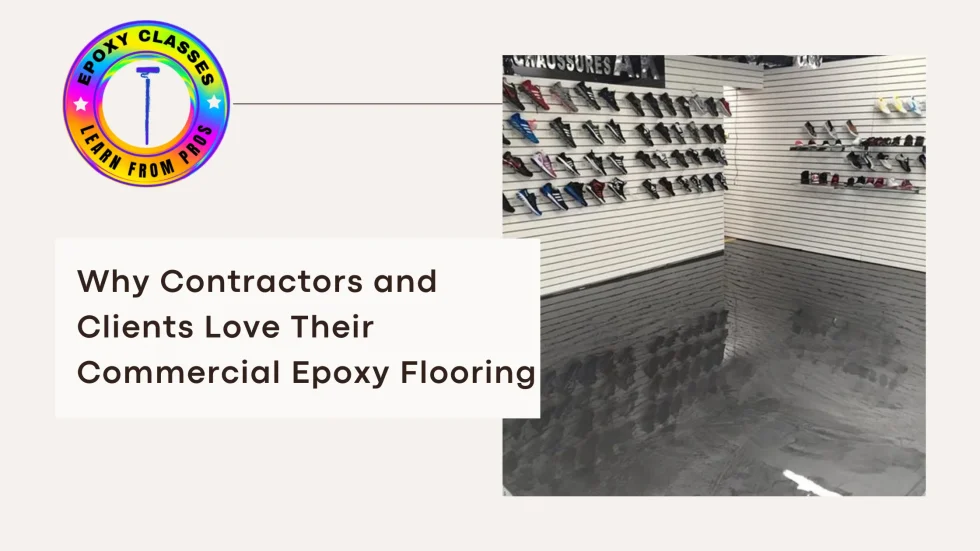
When it comes to choosing flooring solutions for commercial spaces, durability, aesthetics, and functionality are top priorities. Among the myriad of options available, commercial epoxy flooring stands out as a preferred choice for both contractors and clients. Here’s why this flooring solution has gained such popularity and earned high praise across various industries. 1. Unmatched Durability One of the primary reasons for the widespread adoption of commercial epoxy flooring is its exceptional durability. Epoxy flooring is designed to withstand heavy foot traffic, machinery, and even chemical spills. This makes it an ideal choice for industries ranging from manufacturing to retail. Whether you’re installing epoxy flooring in a warehouse in Winnipeg or a retail store in Kelowna, its ability to resist abrasion and impact ensures a long-lasting investment. 2. Low Maintenance and Easy Cleaning Commercial spaces demand flooring that is not only resilient but also easy to maintain. Epoxy flooring excels in this area due to its seamless surface, which eliminates grout lines and joints where dirt and grime can accumulate. A simple sweep and mop are often all that’s needed to keep it looking pristine. For high-traffic areas or spaces prone to spills, the non-porous nature of epoxy makes it incredibly easy to clean and sanitize. 3. Aesthetic Versatility Gone are the days when functional flooring had to be boring. Modern commercial epoxy floor coatings offer a range of aesthetic options, including vibrant colors, patterns, and finishes. Whether you’re aiming for a sleek, professional look or a more vibrant and engaging atmosphere, epoxy can be customized to fit your vision. For businesses looking to make a strong first impression or reinforce brand identity, epoxy flooring provides both form and function. 4. Safety Features Safety is a significant concern in any commercial environment. Epoxy flooring can be tailored to include anti-slip properties, which are crucial for areas prone to wet conditions or heavy foot traffic. This added layer of safety helps in reducing workplace accidents and ensures compliance with health and safety regulations. For example, in a high-traffic industrial setting in Winnipeg, slip-resistant epoxy can prevent accidents and improve overall safety. 5. Cost-Effectiveness While the initial cost of commercial epoxy flooring might be higher than some alternatives, its long-term value is undeniable. The durability and low maintenance requirements mean that businesses save on repairs and replacement costs over time. Additionally, the installation process for epoxy flooring is relatively quick, minimizing downtime for commercial operations. 6. Eco-Friendly Options For environmentally conscious businesses, epoxy flooring offers eco-friendly choices. Many modern epoxy formulations are low in volatile organic compounds (VOCs), which means they have a reduced impact on indoor air quality. This is particularly important in commercial spaces where air quality is a concern. Choosing eco-friendly epoxy options can contribute to a healthier workspace while still enjoying the benefits of this versatile flooring. 7. Enhanced Lighting and Space Perception The glossy finish of epoxy flooring can enhance lighting within a space, reflecting light and making areas appear brighter and more expansive. This is particularly beneficial in retail environments or showrooms where visibility and ambiance play a crucial role in customer experience. By improving the overall aesthetics and lighting, epoxy flooring can positively impact the perception of the space. Conclusion Commercial epoxy flooring is a beloved choice for both contractors and clients due to its durability, ease of maintenance, and aesthetic flexibility. Whether you’re outfitting a bustling commercial space in Kelowna or a high-traffic facility in Winnipeg, epoxy flooring provides a practical, stylish, and cost-effective solution. With its ability to meet diverse needs and preferences, it’s no wonder that commercial epoxy floor coatings are a top pick for modern businesses looking to invest in high-quality flooring. If you’re considering a flooring upgrade for your commercial space, exploring the benefits of epoxy flooring could be your first step toward a smarter, more resilient investment.

Hands-on epoxy flooring training in Johnstown, NY. Learn real skills, build a real business, and create floors that last.

TRAINING

Copyright © 2026 – Epoxy Classes NY

Scroll to Top